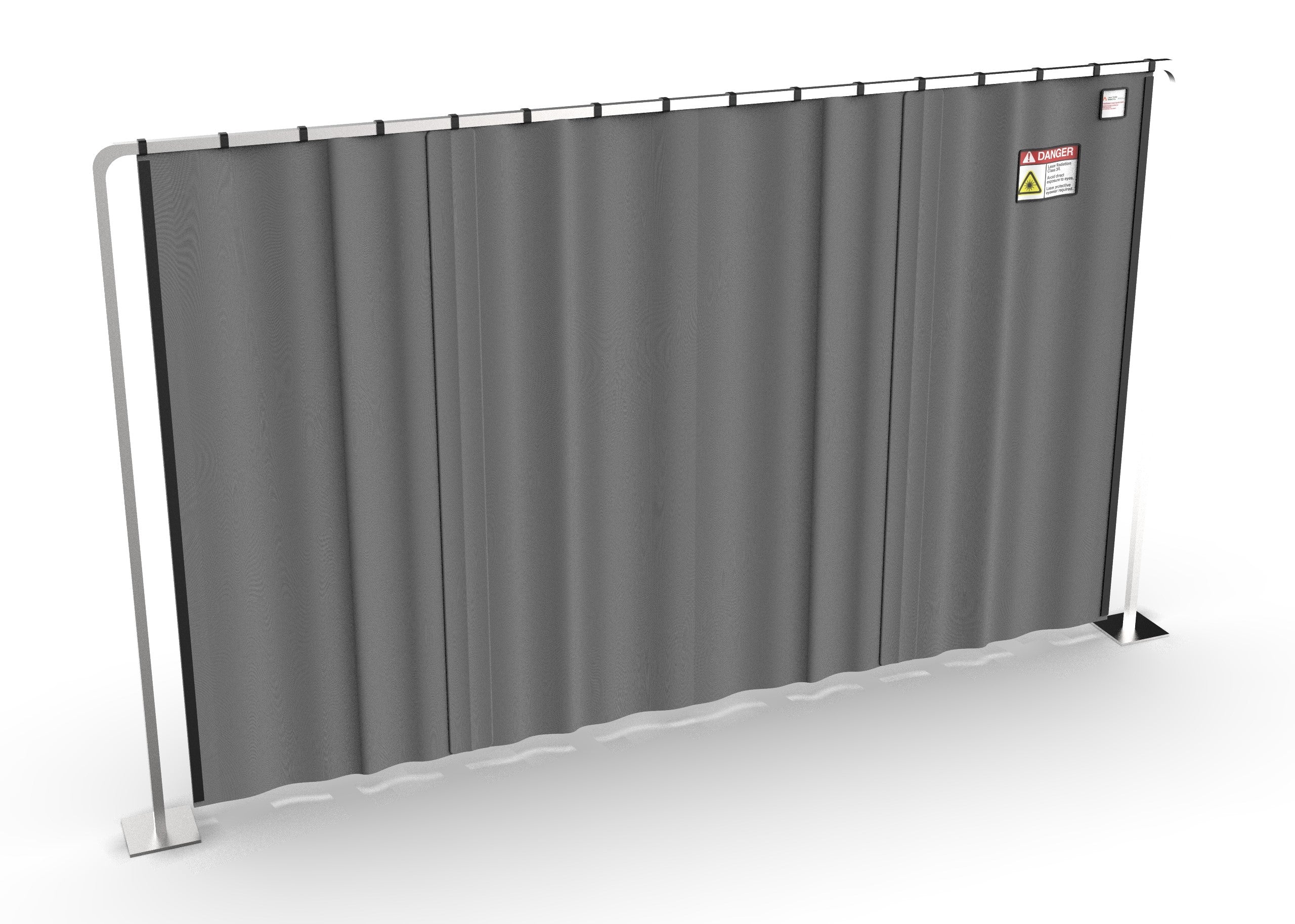
Laser Safety Curtain Straight Line (with Frame and strap loops)

SKU: 100-85-SYS-CUS

Price:
Sale price $575.00
🚚Generally Ships in 10-15 business days; call for timing
Tax exempt? Apply at checkout. W-9 / Vendor / ACH docs here ›

Technical Specificationcs

Laser Irradiance Ratings — Tested for 100 Seconds with a 1 mm Beam
NIR: 1,064 nm — Maximum Irradiance: 575 W/cm² | 625W/cm²
IR: 10,600 nm — Maximum Irradiance: 575 W/cm² | 625W/cm²
VIS: 520 nm — Maximum Irradiance: 575 W/cm² | 625W/cm²

Material Specification Sheet

Standard Sizing for immediate shipping is only offered in 575 W/cm² or 2250 W/cm². Barriers and curtains are intended for diffused laser energy containment.

Barrier selection is based on the irradiance (energy density) reaching the containment material — not simply the laser's rated output power.

Learn how laser energy generally disperses; how irradiance changes with distance, reflection, and diffusion; and why laser power does not equal containment requirements

Entryway Controls & Interlocks

For Class 4 laser controlled areas, ANSI Z136 does not universally require a non-defeatable door interlock. ANSI provides for non-defeatable and defeatable entryway controls, while procedural entryway controls may be used when those approaches are not feasible or are inappropriate for the application, subject to the applicable procedural safeguards and hazard assessment.

OSHA has also specifically cautioned against assuming every laser hazard should be controlled simply by placing the laser in an interlocked room. In its Guidelines for Laser Safety and Hazard Assessment, OSHA states that as laser applications expanded, enclosing lasers in interlocked rooms became limiting and, in many cases, could be an “expensive over-reaction to the real hazards present.” OSHA

At the federal level, OSHA does not impose a universal requirement that every Class 4 laser room have a door interlock. OSHA’s own technical guidance describes ANSI laser standards as voluntary unless specifically required by another organization or authority. OSHA

That does not mean interlocks are unnecessary. They can be an important and appropriate control for many laser welding and Class 4 installations. The correct entryway-control approach should be based on the actual hazard, facility design, application, and applicable state or local requirements.

Read: When Do ANSI Z136 and OSHA Require Interlocks for Class 4 Lasers? Understanding Class 4 Laser Entryway Controls

Always consult your on-site Laser Safety Officer (LSO) to determine the appropriate controls for your specific installation.

Optional Laser Safety Viewing Windows

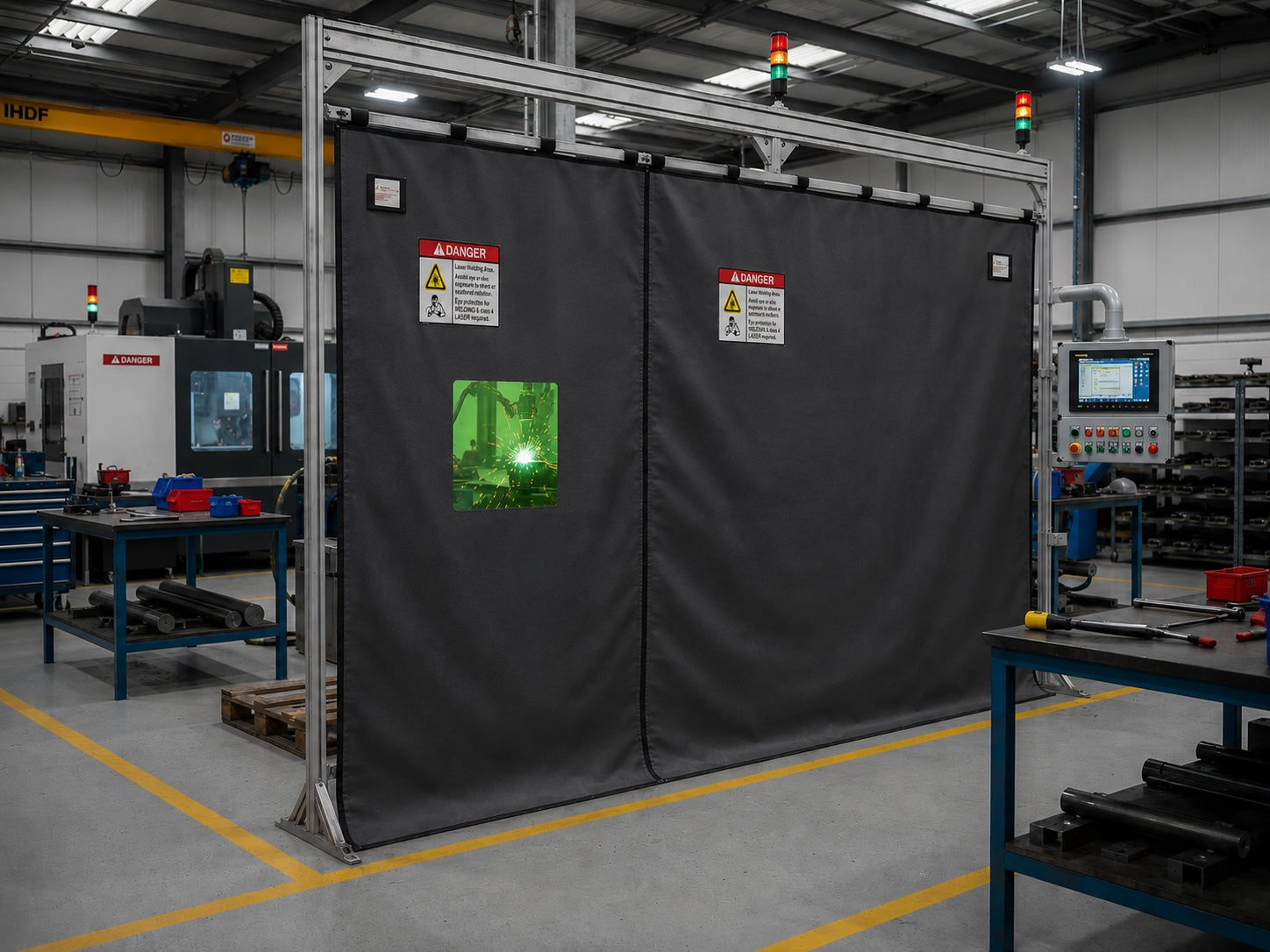
Laser safety viewing windows are available as an option in 12" × 12" and 12" × 24" sizes, allowing operators to observe the work area while remaining outside the laser controlled area.

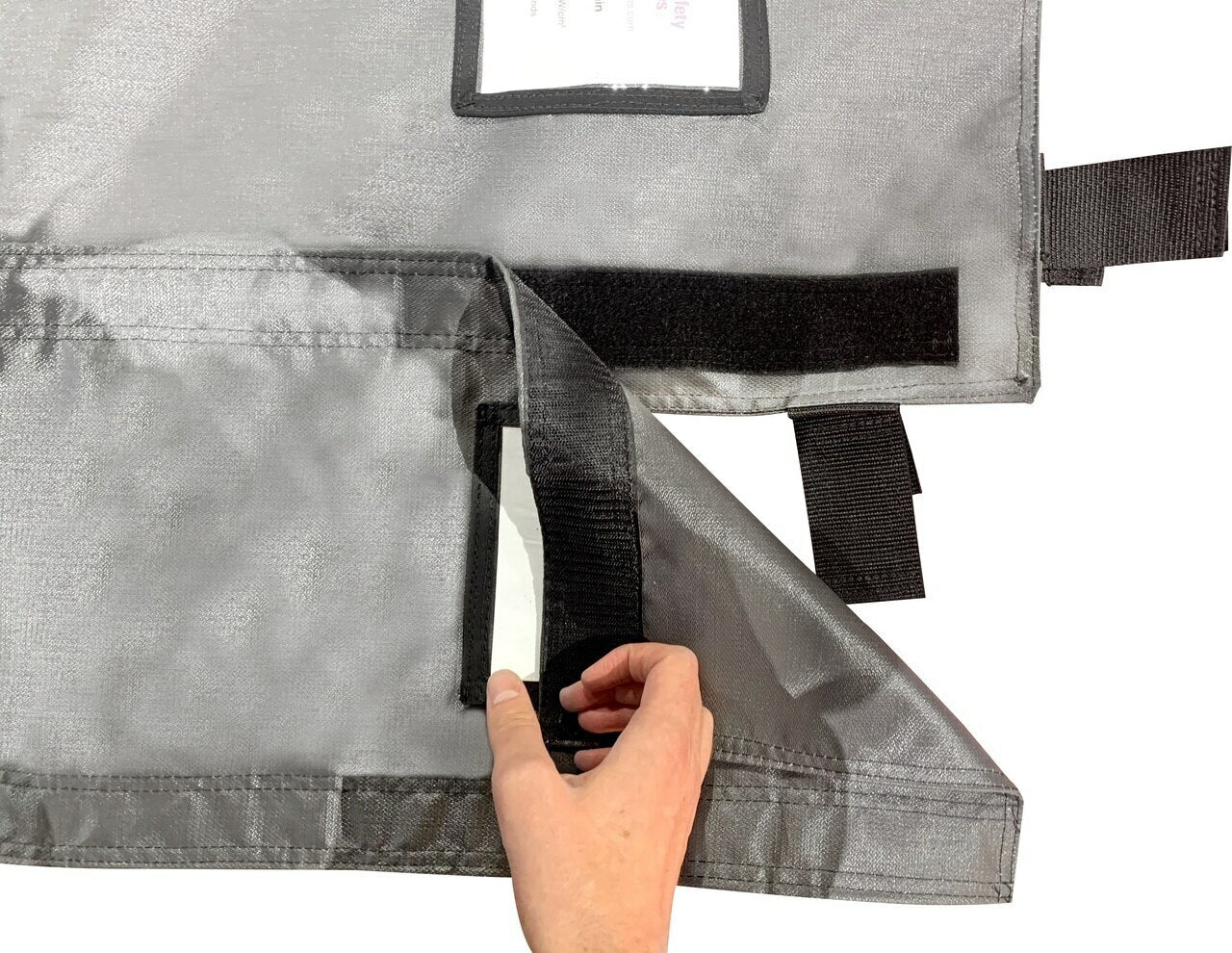
The window is installed in a clear sewn-in pocket within the laser barrier material, rather than being permanently bonded into the curtain. This allows the appropriate laser safety window material to be selected for the wavelength and application while keeping the surrounding barrier flexible.

For curtains that are regularly opened or pulled back, the window can be removed from the pocket before the curtain is folded or gathered. This helps prevent unnecessary bending or cracking of the rigid window material. On stationary or portable barrier systems that are not routinely folded, the window can generally remain installed.

Window locations can also be incorporated into the barrier layout based on the intended viewing position and application. Multiple viewing windows can be added where appropriate.

Learn more about how viewing windows are incorporated into our curtains and softwall barriers in our article: How Laser Safety Windows Are Installed in Laser Curtains and Softwall Barriers.

Important: The laser safety window must be properly selected for the laser wavelength, optical density requirements, and reasonably foreseeable exposure conditions of the application. Always consult your on-site Laser Safety Officer (LSO) when selecting laser safety controls.


Related Articles, Videos & Product Q&A

Modularity

Signage and Specifications

Laser Irradiance Ratings — Tested for 100 Seconds with a 1 mm Beam

  • NIR: 1,064 nm — Maximum Irradiance: 575 W/cm²
  • IR: 10,600 nm — Maximum Irradiance: 575 W/cm²
  • VIS: 520 nm — Maximum Irradiance: 575 W/cm²

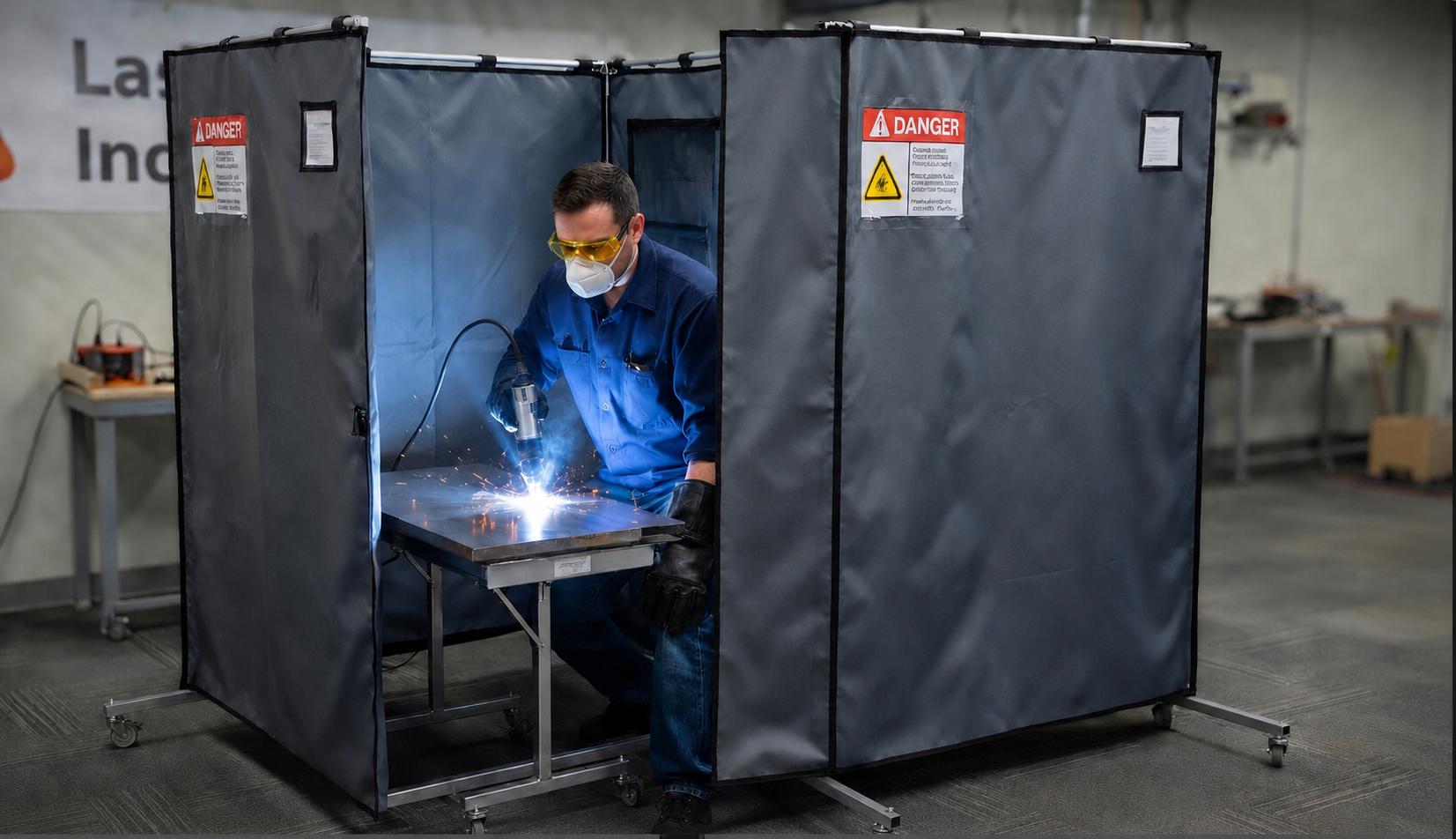
Laser Safety curtains are ideal for containing a laser to a specific area.  Common laser applications are: Nd:YAG, Co2, ER:YAG (but are not limited to).  Laser Safety Industries' laser curtains are designed to offer protection from diffused laser energy.

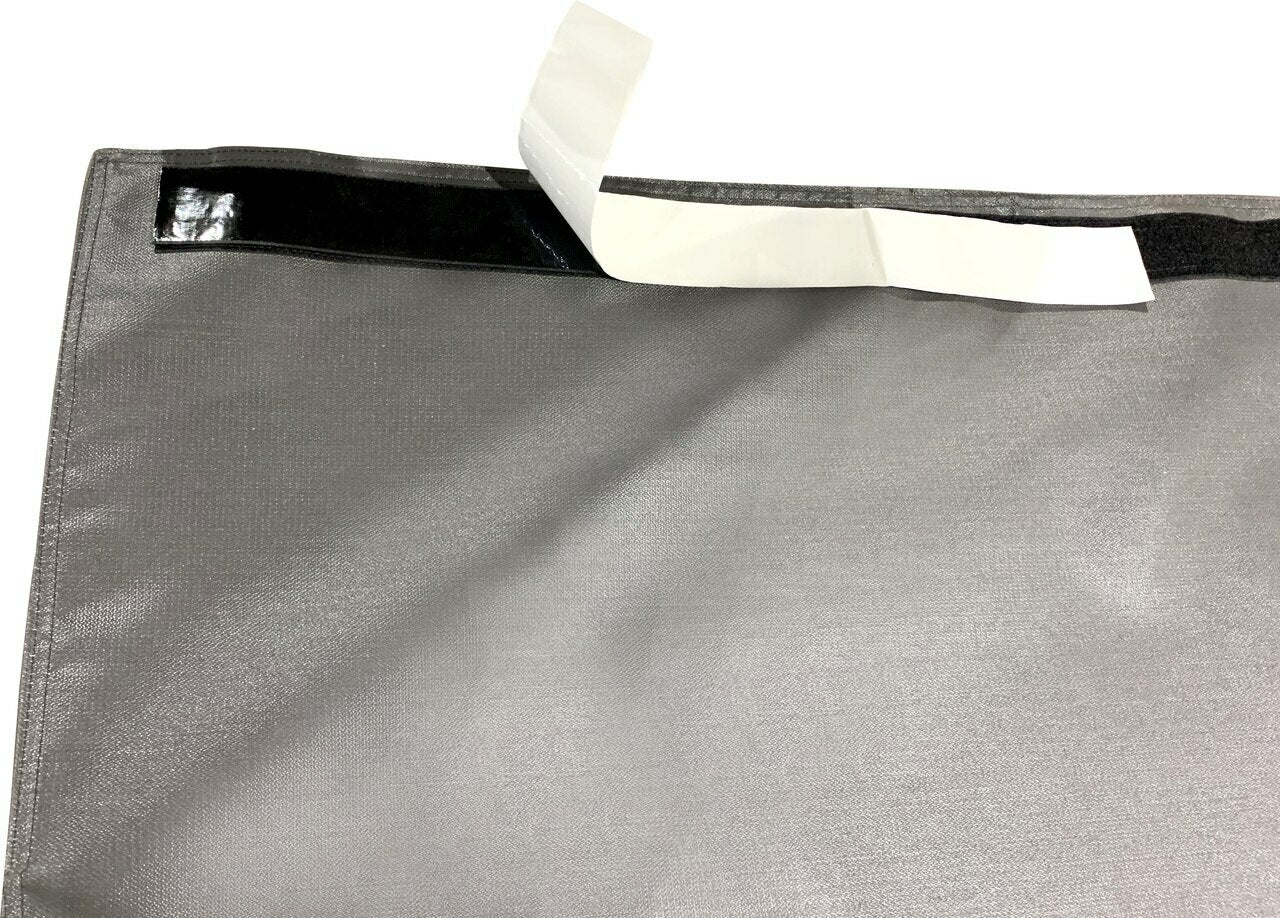
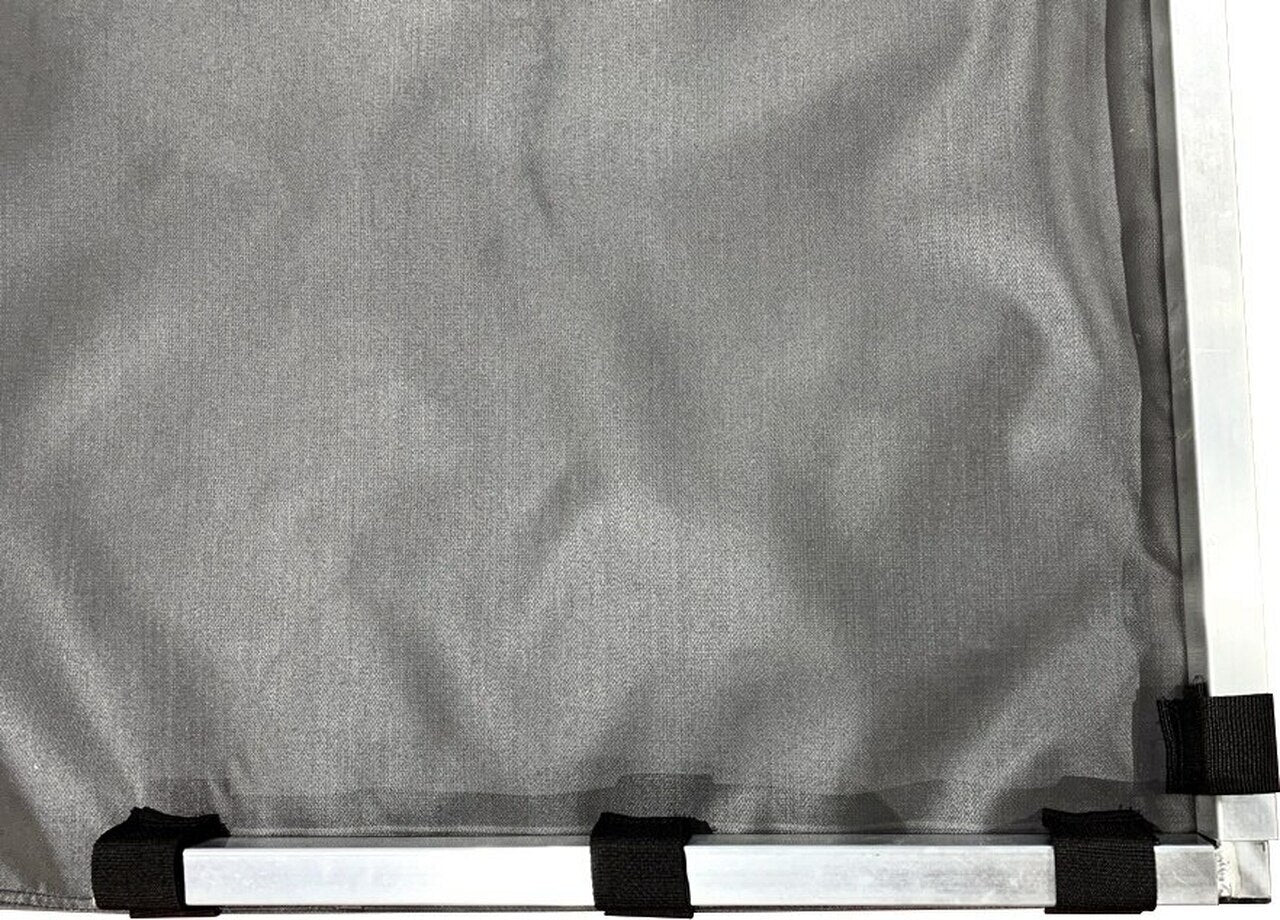
The laser curtain material/fabric is attached by velcro to the frame.  All curtains are made in a modular capacity with velcro on both ends enabling ease in adding on with a divider we offer as well (comes as part of larger systems).  With the correct hardware, barriers can easily be converted to a curtain as well.  For items that are designed to be wall attached, it comes with adhesive hook velcro; to install simply peel off and stick.

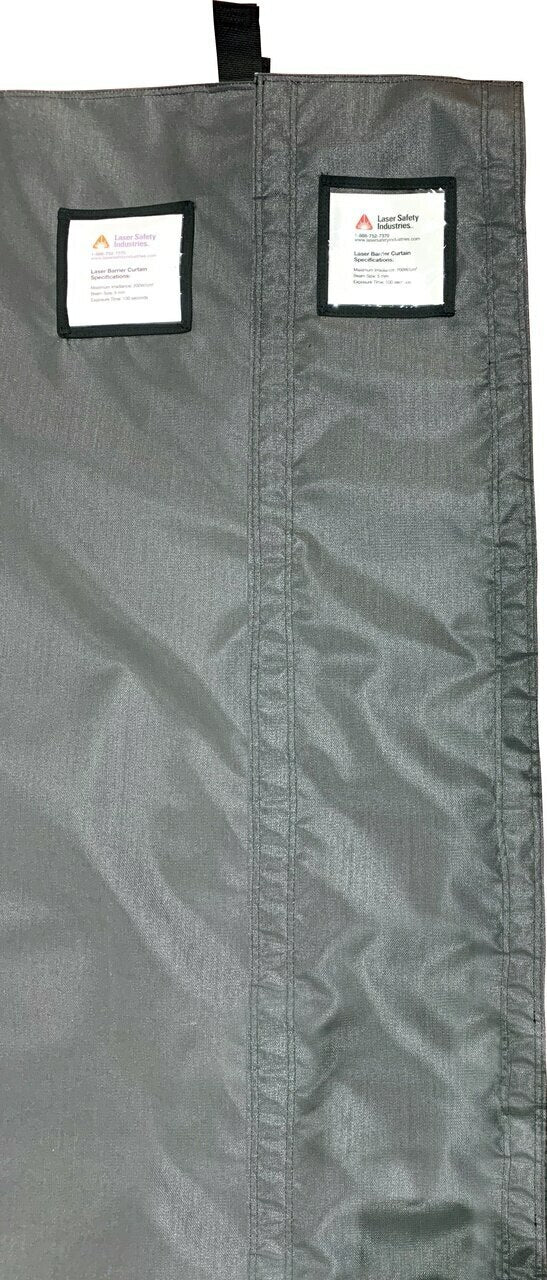
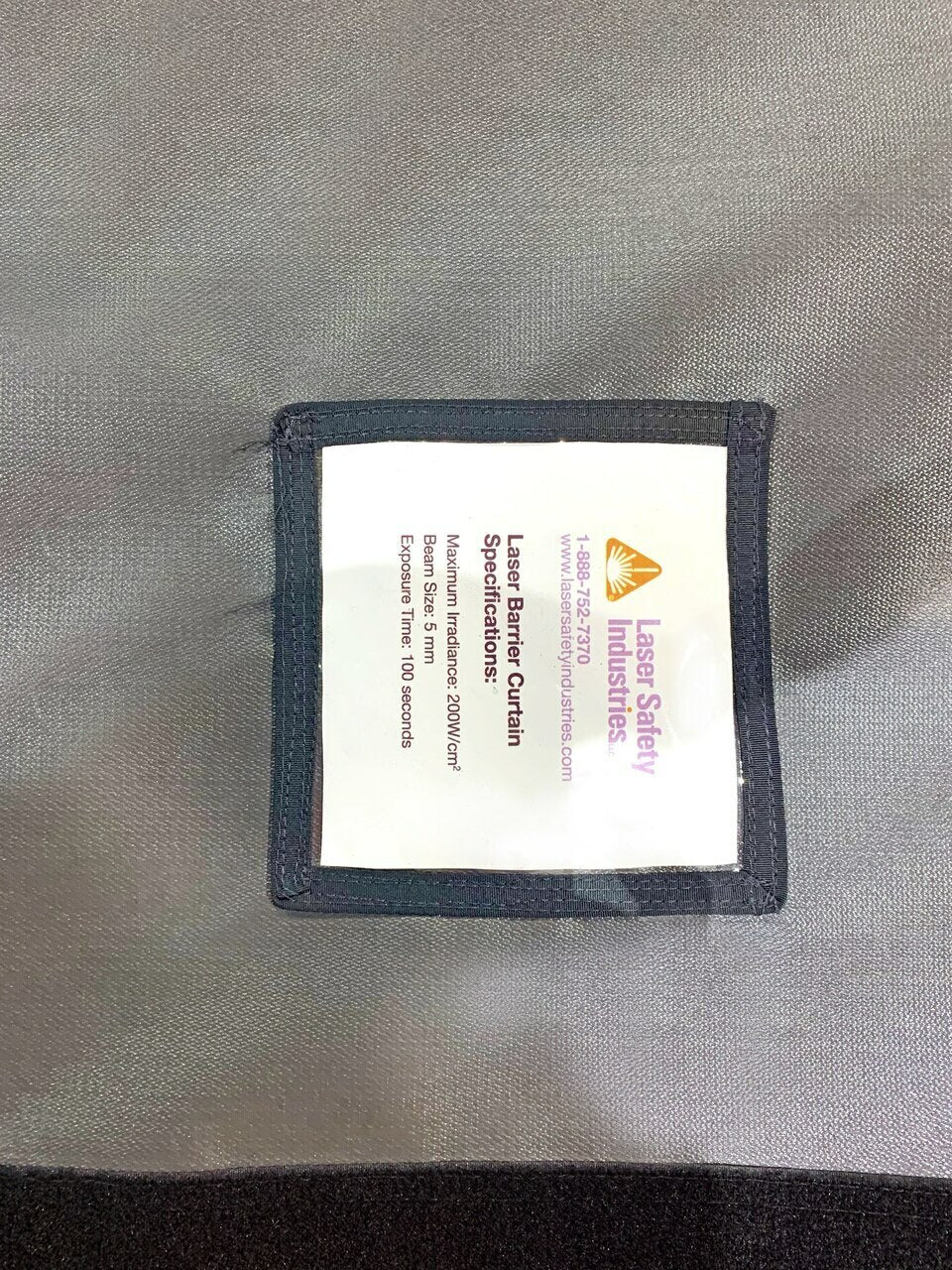
Every curtain ships with the required laser‑safety sign(s) and specification label sewn directly into the panel.

The frame is constructed of heavy-duty tubing with brushed finish to reduce specular reflection. Includes all hardware and instructions.*. 

Configuration: 

  • Standard - Portable or Stand-alone
  • Wall Attached
  • Floor Attached
  • Window Coverings
  • Ceiling Attached
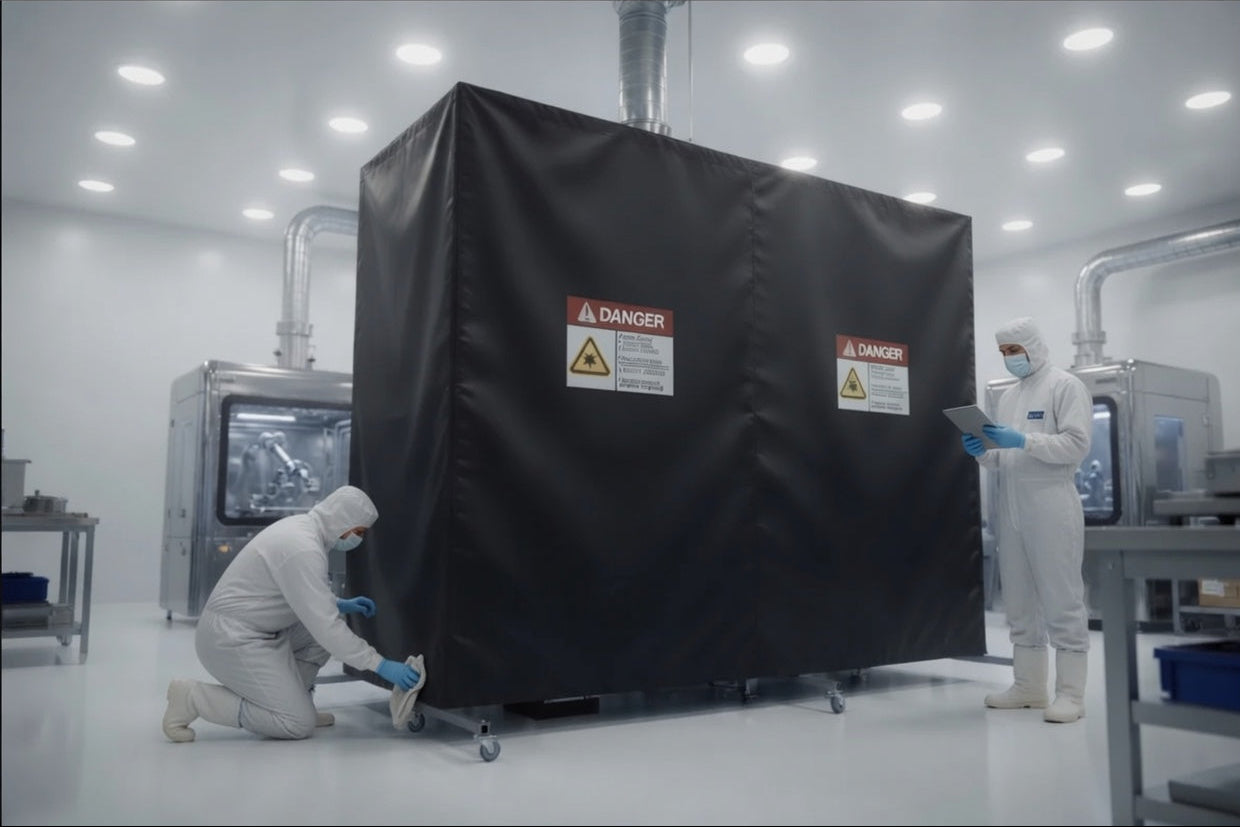
  • Custom Enclosures
LSOs (Laser Safety Officer) need to consider working environments, viewing conditions and beam delivery systems when making assessments and determining the correct laser glasses , goggles, barriers, or windows to protect against potentially hazardous laser radiation. Do not operate lasers without correct protective equipment and training.
 
Images is not to scale. Specifications are subject to change without notice. Contact us for more information about this laser barrier/curtain.

Laser Safety Officers (LSOs) must consider working environments, viewing conditions, and beam delivery systems when making assessments and determining the correct PPE against potentially hazardous laser radiation. NEVER operate lasers without correct protective equipment and training.

For questions or custom projects, please call or Contact Us to connect with our in-house laser safety expert.

If you'd like to use your own shipping account, please provide your carrier name, account number, and shipping type (standard, overnight, etc.) in the "Order Instructions" located in the top right of the Cart page. Simply choose the least expensive shipping option at checkout, and you will be refunded for the shipping costs after your order is processed.

We ship domestically within the United States and internationally (to all countries our carriers ship to—FedEx and UPS). At checkout, you will have shipping options with UPS and FedEx.

Please note: For most international shipments, it is often faster and more cost-effective to use your shipping account due to customs.

You may return most new, unopened items sold and fulfilled by Laser Safety Industries, LLC.,  within 30 days of delivery. 30% restocking fee applies to all products returned in new or unopened condition. Item's must be returned within 30 business days of purchase. Customized product are subject to a 40% restocking fee if returned within 30 business days of purchase in new condition. Laser Safety Industries is not responsible returned items that are lost or stolen during shipping. Please call us directly at 1-888-392-5106 to arrange return.For items directed to our Returns Center, expect your refund within 4 weeks of giving your package to the return shipper (though in many cases you'll receive the refund sooner). This time period includes: 

* 5 to 10 business days for us to receive your return from the shipper 

* 3 to 5 business days for us to process your return 

* The time it takes your bank to process our refund request.

We'll notify you via e-mail of your refund once we've received and processed the returned item.

Tax-exempt: If you're tax-exempt, their will be a place when you select Add to Cart to provide your tax-exempt exemption and state tax will be removed.

ANSI Z136, FM 4950 & NFPA 701

Industry standards supporting laser safety barrier and curtain applications.

ANSI Z136

Our laser safety barriers and curtains are designed to support ANSI Z136 laser safety programs by helping contain hazardous laser radiation and support personnel protection.

ANSI Z136 standards provide guidance for the safe use of lasers and the selection of protective measures. Laser barriers and curtains are commonly used as engineering controls within laser controlled areas established through a documented laser hazard evaluation.

FM 4950 Material

Our laser safety barriers and curtains are manufactured using FM 4950 material.

The laser safety barrier material used also conforms to and meets requirements for welding curtain standards specified in FM4950.

NFPA 701

The materials used in our laser safety barriers and curtains meet or exceed NFPA 701 flame propagation requirements, supporting use in industrial, research, manufacturing, and laboratory environments.

Understanding Laser Barrier Protection

Laser barriers and curtains are used to help contain reflected and scattered laser radiation around a controlled work area.

Understanding how laser energy spreads through an environment is often more important than simply knowing the laser's rated power. The amount of energy reaching the containment boundary can be dramatically different from the energy present near the laser source.

This 3-minute video explains how laser energy spreads throughout a workspace and why containment requirements are often determined by the energy reaching the containment boundary rather than simply the laser's rated power.

Prefer a quicker overview? Additional technical illustrations and explanations are provided below.

Video thumbnail

Laser power alone does not determine containment requirements. Understanding how laser energy spreads throughout a workspace is essential when establishing an appropriate containment boundary.

Understanding Laser Barrier Protection Continued

Laser barriers and curtains are used to help contain reflected and scattered laser radiation around a controlled work area.

Understanding how laser energy spreads through an environment is often more important than simply knowing the laser's rated power. The amount of energy reaching the containment boundary can be dramatically different from the energy present near the laser source.

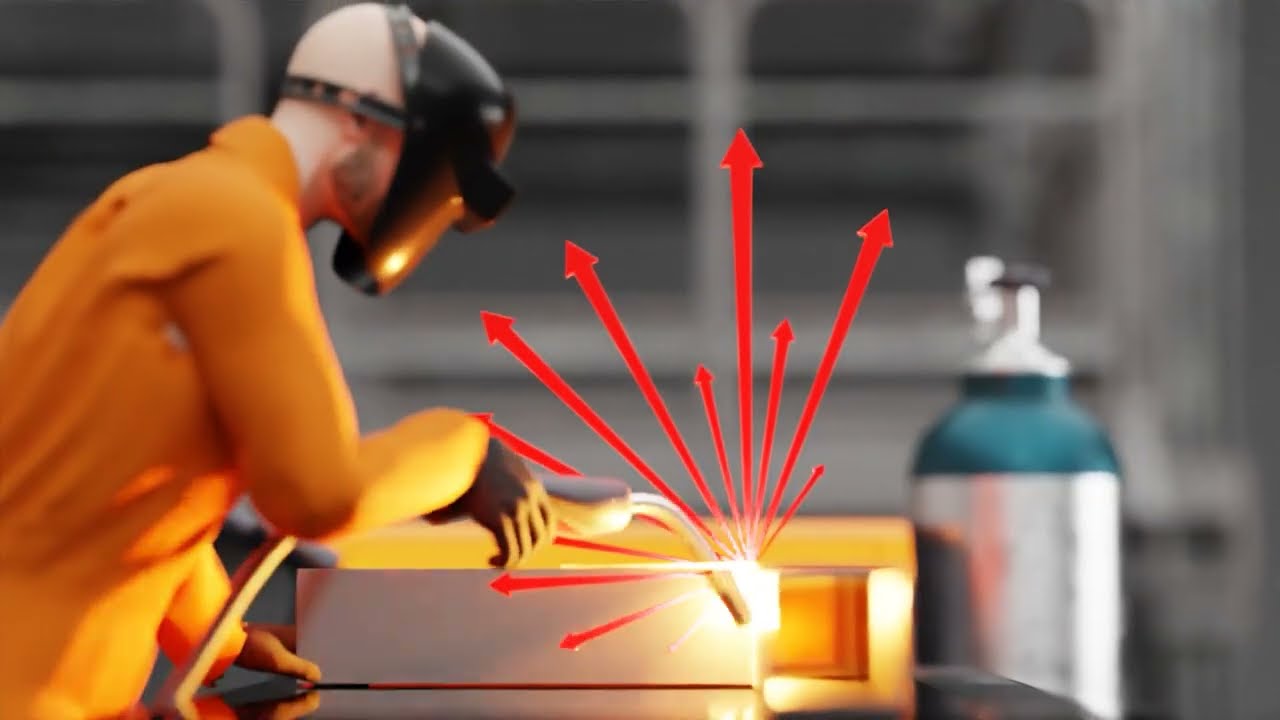
1. Laser Energy Typically Diffuses Through the Work Area
1 / 3 Examples
View All Examples →

1. Laser Energy Typically Diffuses Through the Work Area

These examples illustrate how laser energy generally travels, reflects, scatters, and diffuses throughout a work area.

Multiple application examples are shown to reinforce the same concept: containment is based on the energy reaching the barrier location, not simply the laser's rated output power.

2. Irradiance Drops as Energy Spreads
1 / 2 Examples

2. Irradiance Drops as Energy Spreads

As laser energy begins to diffuse, it spreads over a larger area.

As the energy spreads, irradiance (energy density) drops rapidly compared with the concentrated energy near the source.

The key consideration is the amount of laser energy reaching the containment material, not simply the laser's total rated power.

Note: This is a simplified model for sufficiently scattered radiation from a rough, non-specular surface. It should not be applied to direct, collimated, focused, or specular laser radiation.

3. Barriers Contain the Controlled Area

3. Barriers Contain the Controlled Area

Laser barriers and curtains are typically used to contain reflected and scattered radiation around a controlled laser area.

Their purpose is to separate the laser work area from surrounding personnel and operations.

They are generally selected based on the expected irradiance reaching the containment boundary rather than serving as a target for a continuous direct beam exposure.

Understanding how laser energy travels, reflects, diffuses, and reaches the containment boundary is often more important than the laser's rated power alone when selecting an appropriate containment system.
Laser safety products should always be selected based on a complete hazard evaluation. Final containment selection should always be reviewed by a qualified Laser Safety Officer (LSO) or laser safety professional.
CUSTOMER CASE STUDIES

Real-World Laser Safety Applications

Explore how organizations implement laser safety solutions across manufacturing, research, healthcare, and advanced technology environments.
Michelin Manufacturing Retrofit Correctly Scoping Laser Hazards Saved ~$800K/Year

Michelin Manufacturing Retrofit Correctly Scoping Laser Hazards Saved ~$800K/Year

See how Laser Safety Industries helped a global manufacturer correctly evaluate its laser safety requirements, reducing unnecessary complexity and saving an ...
View Case Study →
Optical Fabrication for the U.S. Military M1 Abrams Tank Program

Optical Fabrication for the U.S. Military M1 Abrams Tank Program

Explore how Laser Safety Industries supported a specialized defense optical project requiring precision manufacturing, supplier qualification, documentation,...
View Case Study →
Flexible Laser Welding Containment for SpaceX Manufacturing

Flexible Laser Welding Containment for SpaceX Manufacturing

Explore how flexible laser safety curtain systems supported aerospace laser welding operations where adaptability, production workflow, and practical contain...
View Case Study →
Supporting a Texas Fabrication Shop Transition Into Fiber Laser Welding

Supporting a Texas Fabrication Shop Transition Into Fiber Laser Welding

See how a Texas fabrication shop implemented fiber laser welding safety controls with a flexible containment approach designed around real-world production r...
View Case Study →